One of the best pieces of advice we can offer to new hams is simple: get on the air early and often—even if you don’t feel completely ready.
It’s very common for new operators to spend their first few weeks (or even months) just listening. While listening is an important part of learning, it’s easy to fall into the trap of waiting until you feel “perfect” before keying up. The reality is, amateur radio is a hands-on hobby, and the best way to learn is by doing.
The good news? The amateur radio community is incredibly welcoming. Most operators remember what it was like to be new, and they’re more than happy to help you along the way.
Start Simple
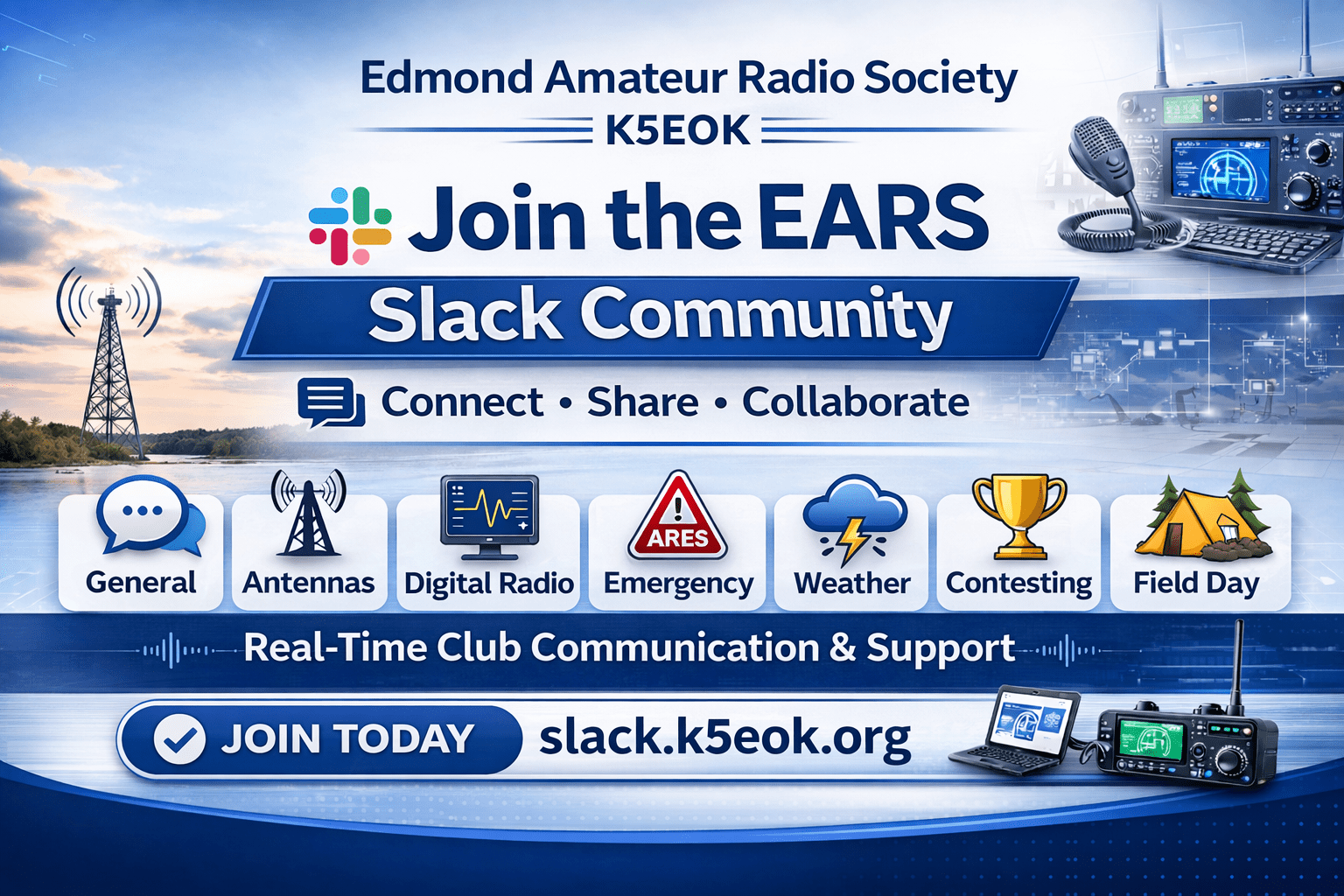
A great way to begin is by checking into a local net—like the EARS Information Net on Monday evenings. Nets provide a structured environment where you’ll know exactly when to transmit and what to say.
Keep it simple:
- Your callsign
- Your name
- Your general location
That’s all you need to get started. You don’t need fancy equipment or long-winded transmissions—just a willingness to participate.
Don’t Worry About Making Mistakes
Every ham operator—no matter how experienced—has made mistakes on the air. Misspeaking, forgetting part of a callsign, or keying up at the wrong time happens to everyone at some point.
The important thing to remember is that mistakes are part of the learning process. Other operators will be patient and understanding, and many will offer helpful guidance if you need it.
Ask Questions and Get Involved
One of the best ways to grow in the hobby is to ask questions. Whether it’s about programming your radio, understanding repeater operation, or learning proper procedures, there’s always someone willing to help.
If you have the opportunity, connect with an “Elmer”—an experienced ham who can provide guidance and answer questions as you learn. Our monthly training and mentoring sessions are also a great place to build those connections.
Learn Your Equipment
While getting on the air is key, it’s equally important to become comfortable with your radio. Take some time to learn how to:
- Change frequencies and memory channels
- Adjust power levels
- Set tones for repeaters
- Use basic features of your radio
Confidence with your equipment makes operating much more enjoyable and prepares you for real-world situations, especially during events or emergency communications.
Final Thoughts
Amateur radio is a hobby built on participation. The sooner you get involved, the more comfortable and confident you’ll become.