Storm spotters are the eyes and ears of the weather community in real time. While sophisticated technology like radar and satellite imagery gives meteorologists powerful tools to anticipate dangerous weather, ground truth reports from trained spotters help confirm what’s really happening near the surface. These reports are crucial for issuing accurate warnings and saving lives. (National Weather Service)
Why Spotter Reports Are Important
Even with advanced meteorological systems, NWS forecasters cannot see every event occurring near the ground. Reports from volunteers:
- Provide confirmation of severe weather detected by radar.
- Help forecasters refine warnings — issuing, extending, adjusting, or canceling them.
- Give local emergency managers real-world impacts that affect safety decisions.
Spotters serve their communities by providing this critical ground perspective during severe weather.
Guiding Principles for a Good Report
From the official NWS Weather Spotter’s Field Guide and reporting guidelines, your storm report should be:
✔ Timely
Make your report as soon as possible while the event is fresh. Immediate reports help forecasters issue or adjust warnings.
✔ Accurate
Report what you see, not what you assume will happen. Avoid exaggeration and stick to observed facts.
✔ Clear and Detailed
A useful report includes:
- Who you are — your identification as a trained spotter, if applicable.
- What happened — the exact type of weather you observed.
- When it occurred — time of the event (not the time of the report).
- Where it occurred — the exact location using roads, landmarks, or GPS coordinates.
What Specific Weather Events to Report
NWS storm spotting programs list a range of specific weather phenomena that should be reported when observed:
🌪️ Tornadoes and Funnel Clouds
- Any sighting of a tornado or rotating funnel cloud.
- Include movement direction, persistence, and approximate size.
☁️ Wall Clouds and Rotating Clouds
- Wall clouds showing sustained rotation or lowering bases.
- Report how long rotation lasts and its persistence.
🌨️ Hail
- Report hail of any size, but especially anything ½ inch in diameter or larger.
- Describe hail using common objects (e.g., “golf ball–sized”).
💨 Strong Winds
- Report measured wind speeds if possible.
- Otherwise, report wind damage (e.g., downed trees, power lines).
⚡ Lightning
- Only report lightning when it causes damage or injury.
🌧️ Flooding and Heavy Rain
- Report flooding where water covers roadways, impedes travel, or causes evacuations.
- Heavy rain rates (e.g., >1 inch per hour) matter for flash flooding.
❄️ Winter Weather (if applicable)
- Significant snowfall rates or icing affecting travel and safety.
- Freezing rain even in small measurable amounts.
How to Report
Reporting methods vary by local area but generally include:
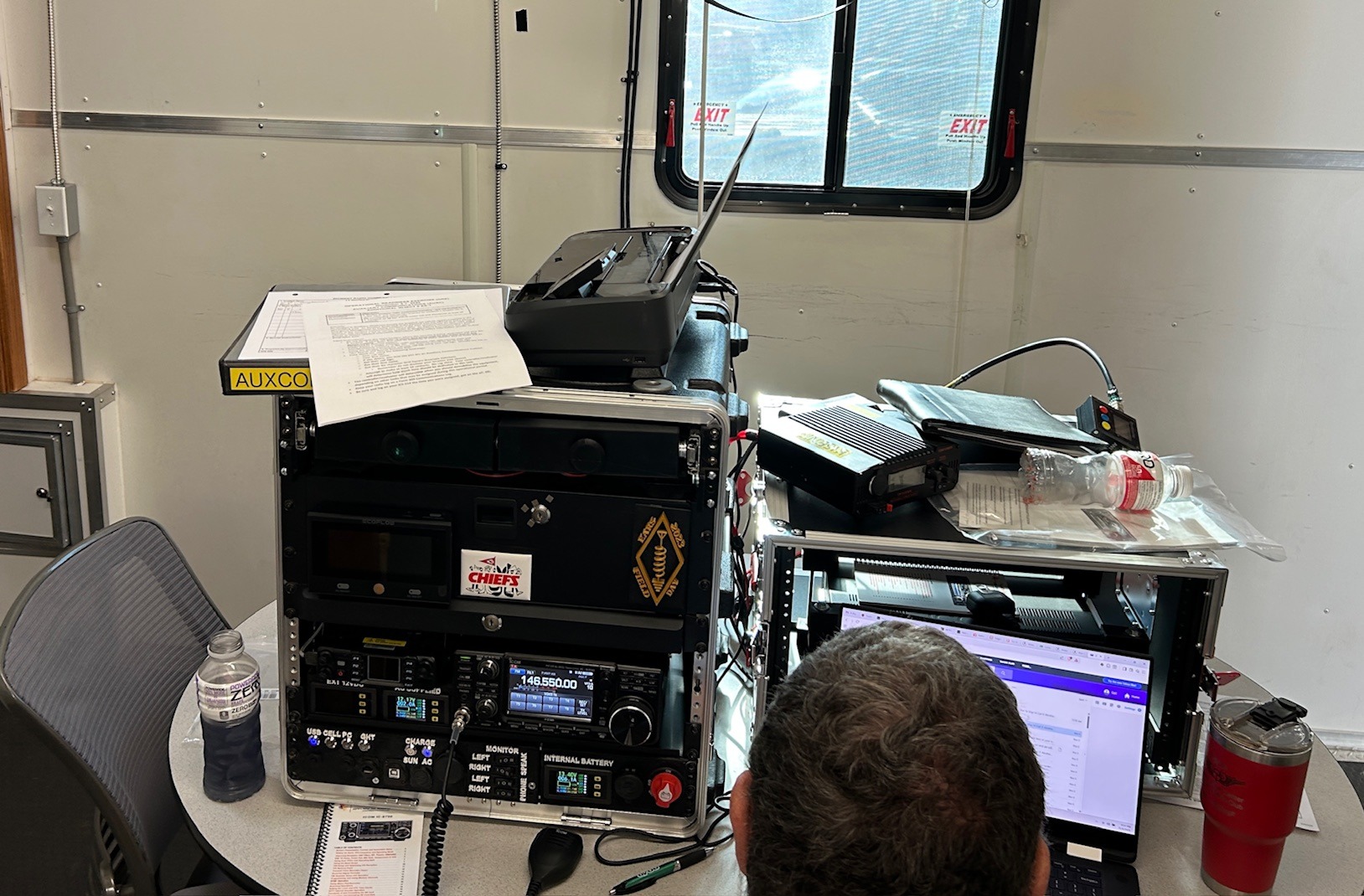
- Radio networks, such as amateur (HAM) radio or organized spotter nets.
- Direct phone calls to your local NWS forecast office.
- Online/web forms or apps provided by your regional forecast office.
- Social media and email where officially supported.
Always follow the procedures provided by your local NWS office or spotter coordinator; this ensures your report gets to forecasters quickly and accurately.
Safety Is Your First Priority
While reporting severe weather is valuable, your safety comes first. Spotters should never put themselves in harm’s way just to observe or report conditions. If the event is too close or too dangerous to approach, find a secure location before communicating your observations.
In Summary
Storm spotter reports are vital for weather forecasting and public safety. When reporting:
- Be accurate, timely, and detailed.
- Report specific severe weather events — tornadoes, hail, wind, flooding, etc.
- Include clear information on who, what, when, and where.
- Use your local reporting channels.
- Always prioritize your safety.
Your observations can make the difference between warning and awareness — helping protect lives and property when severe weather strikes.
Steven, N5ZQ